Out of Stock
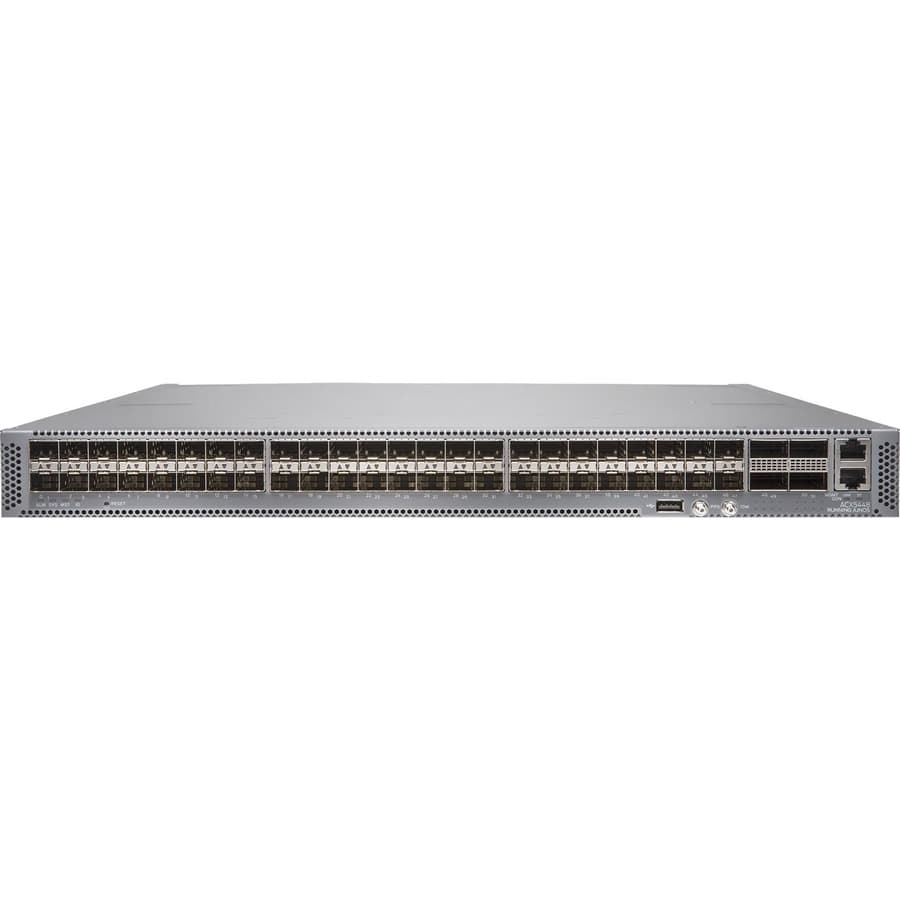
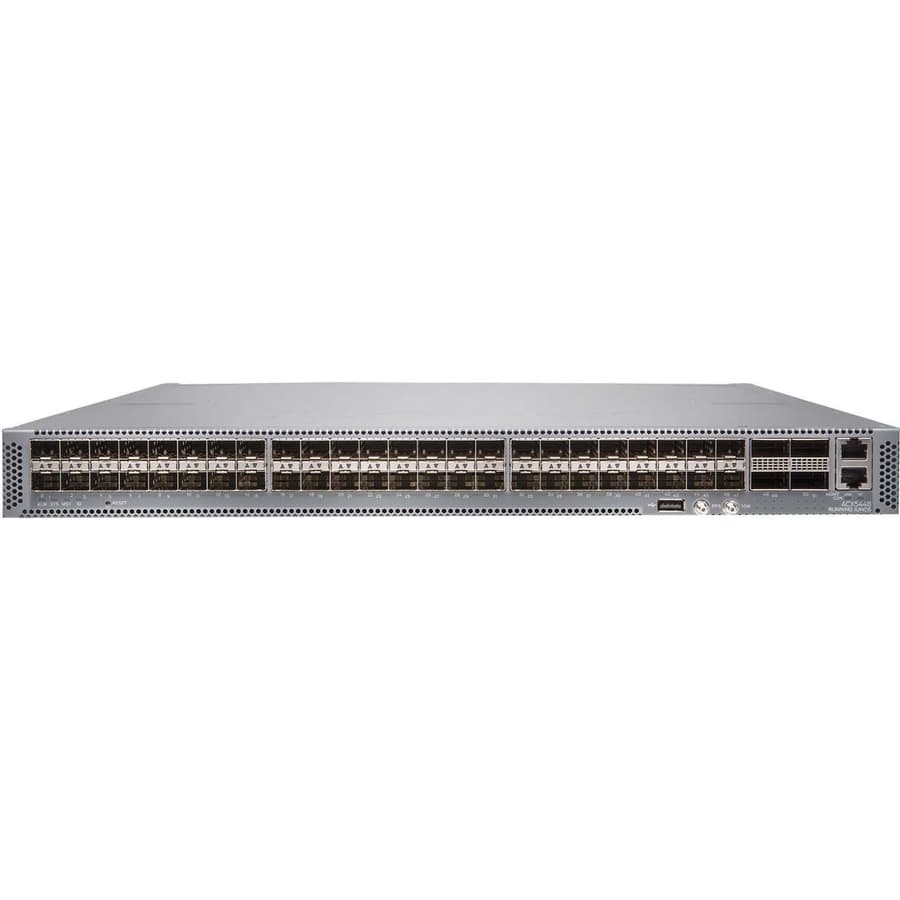
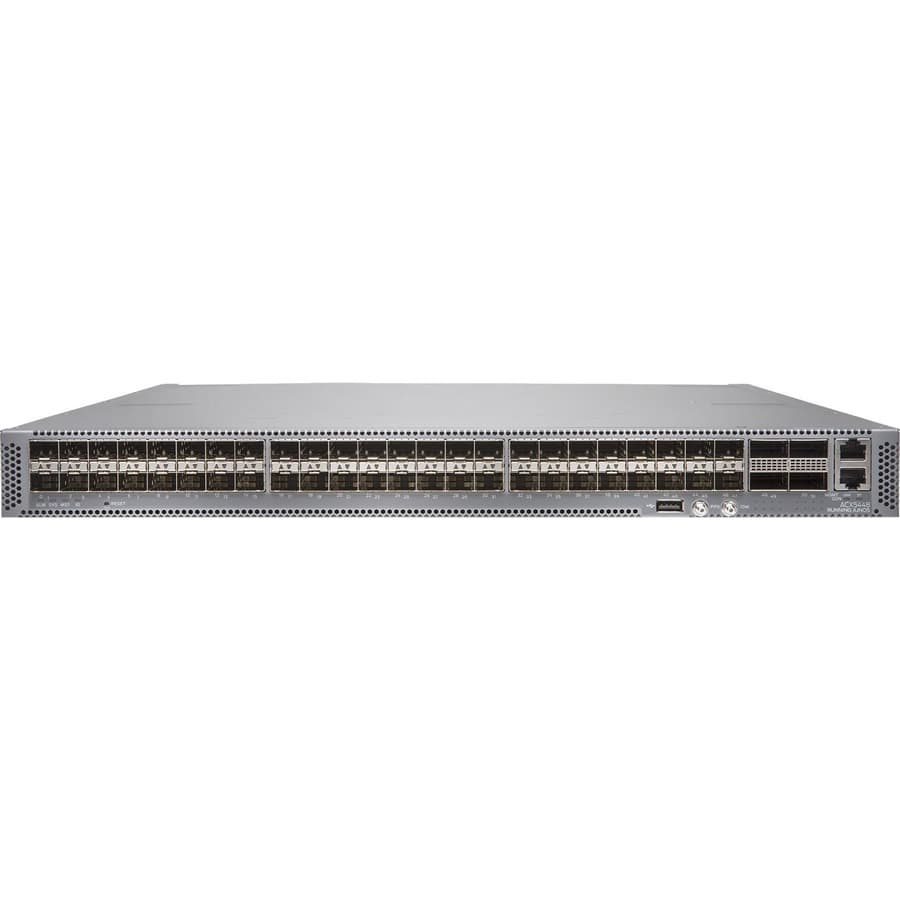
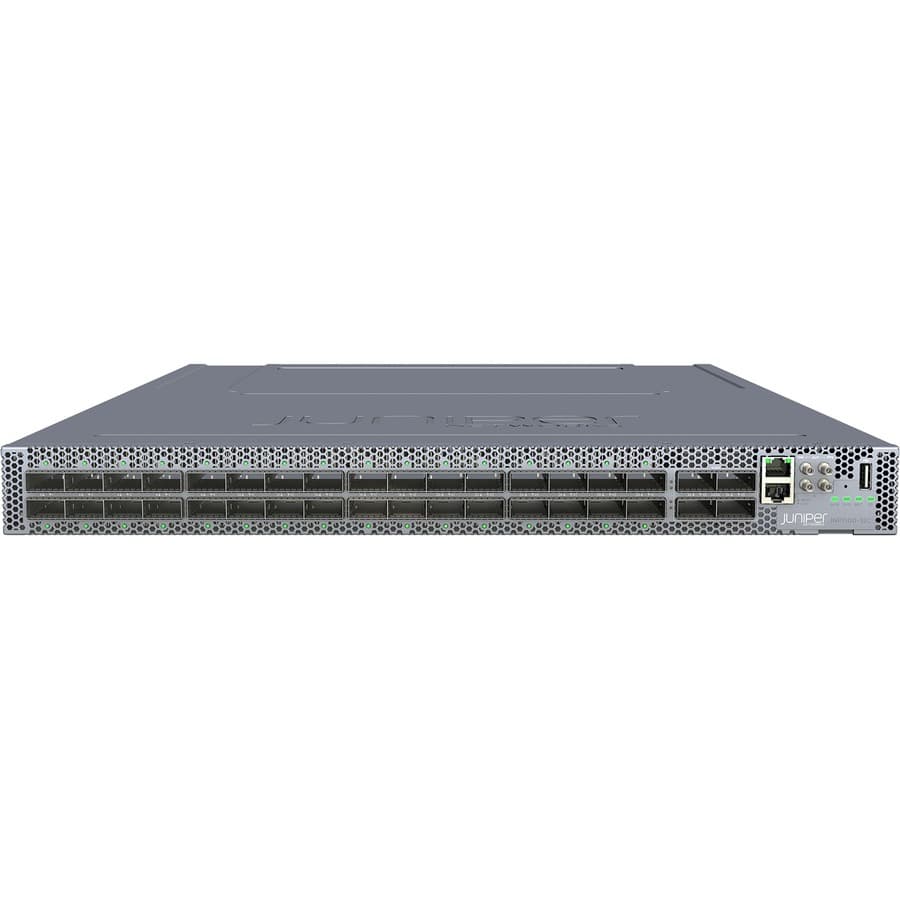
Juniper ACX7100-32C-DC-AO Router | 32 QSFP28, 4 QSFP56-DD
Juniper Networks
MPN: ACX7100-32C-DC-AO
Call for Price
Free shipping on orders over $500
Authorized Dealer — Full manufacturer warranty
Key Features
- Juniper ACX7100-32C-DC-AO router
- 32 QSFP28 ports
- 4 QSFP56-DD ports
- DC power configuration
- Carrier-grade edge routing platform
- High-density optical interface design
- Suited to metro edge and transport networks
- Concentrate high-speed traffic using 32 QSFP28 ports
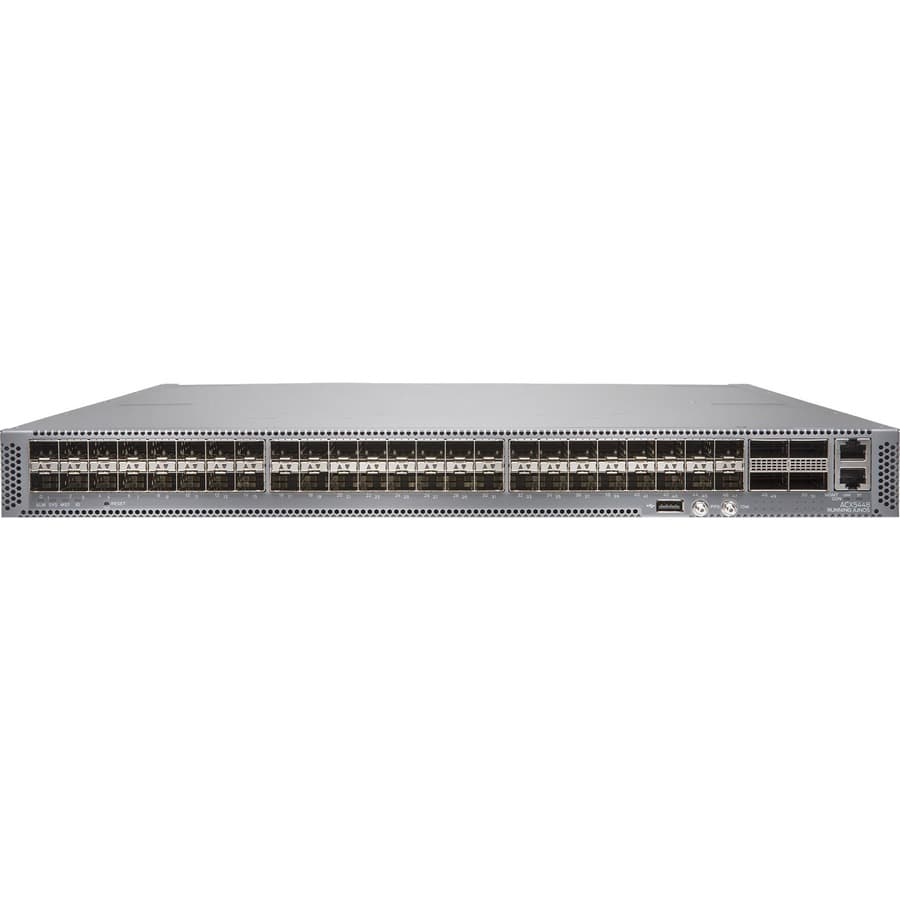
Handle dense edge traffic with the Juniper ACX7100-32C-DC-AO, a carrier-grade router built around high-speed optical connectivity and DC power architecture. With 32 QSFP28 ports and 4 QSFP56-DD ports, this platform is aimed at networks that need substantial port density for aggregation, transport, and high-capacity uplink design.
The value of this model is in its port mix. QSFP28 supports established high-speed deployments, while QSFP56-DD adds headroom for newer bandwidth demands. That combination makes the router a practical fit for teams modernizing metro edge infrastructure without sacrificing compatibility with existing optical investment.
DC power support aligns with telecom and data center environments that standardize on direct-current infrastructure. For architects, the platform offers a compact way to concentrate high-speed interfaces in a single routing node. For procurement, it represents a premium choice when port density, optical flexibility, and carrier-grade deployment fit are more important than entry-level pricing.
Ideal For
- Metro edge aggregation nodes
- High-capacity optical uplink deployments
- Service provider transport networks
- Data center edge routing
Why This Product
- 1Offers 32 QSFP28 ports plus 4 QSFP56-DD ports
- 2Uses DC power for telecom and data center environments
- 3Provides a denser optical interface mix than lower-port edge routers
- 4Targets carrier-grade aggregation and transport workloads