Out of Stock
ACX7100 DC AO 48 SFP56/6 QSFP56-DD Juniper | Carrier Router
Juniper Networks
MPN: ACX7100-48L-DC-AO
Call for Price
Free shipping on orders over $500
Authorized Dealer — Full manufacturer warranty
Key Features
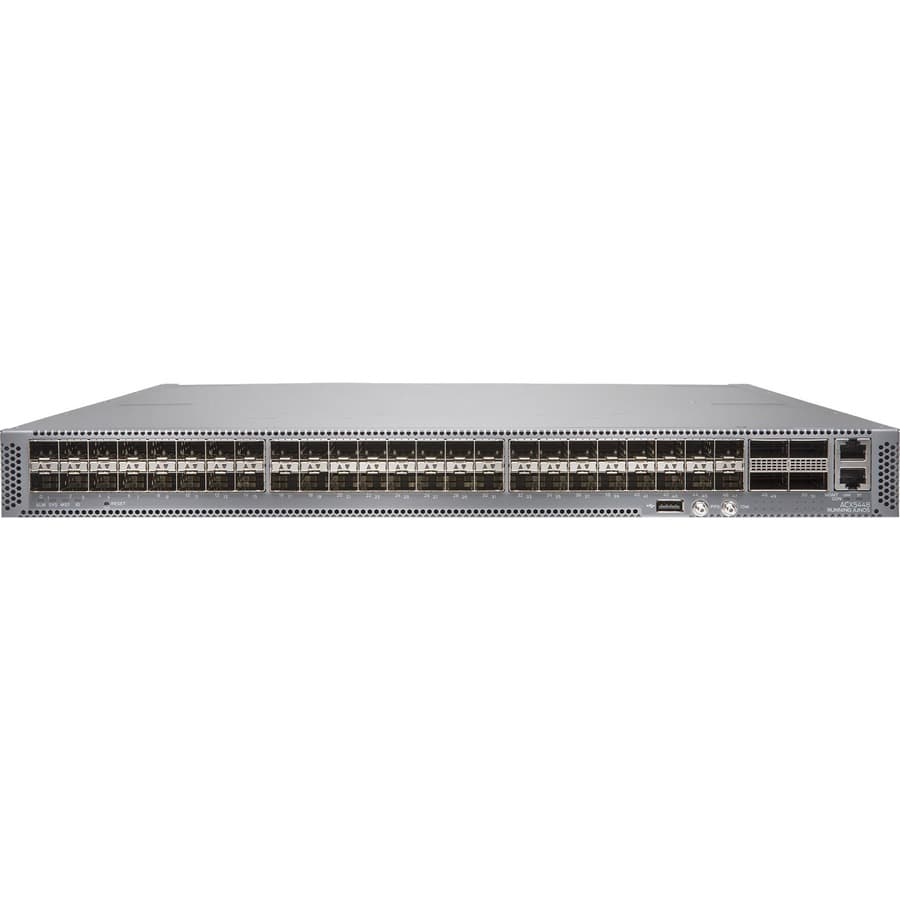
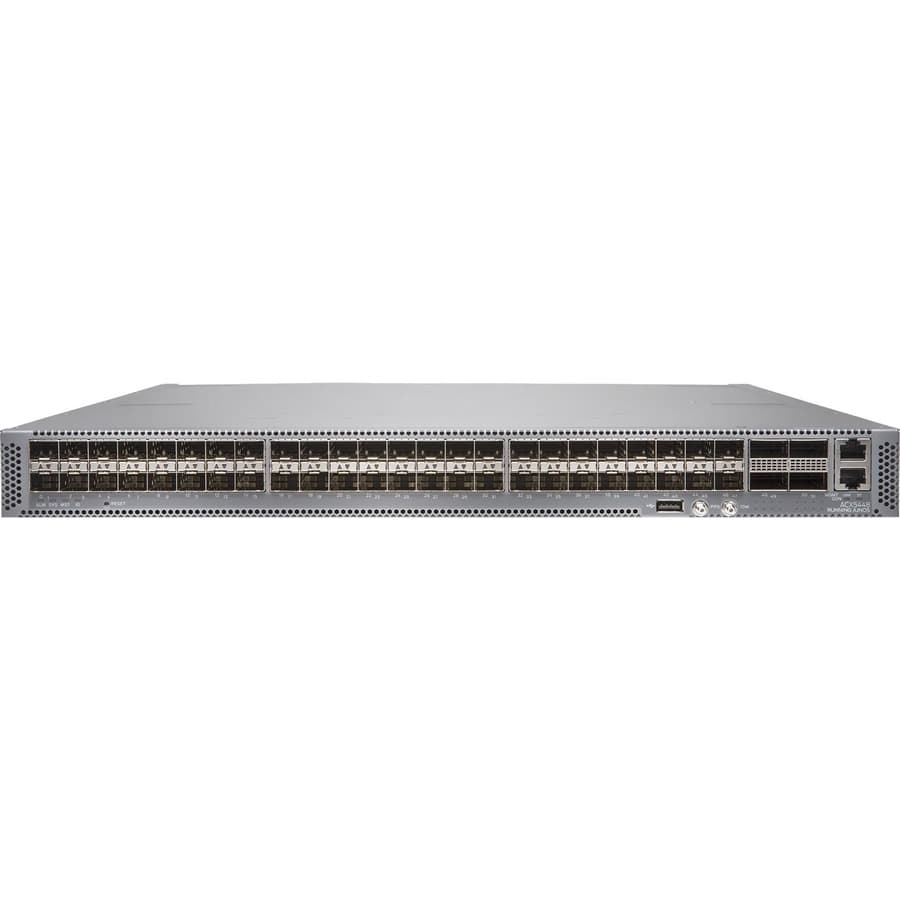
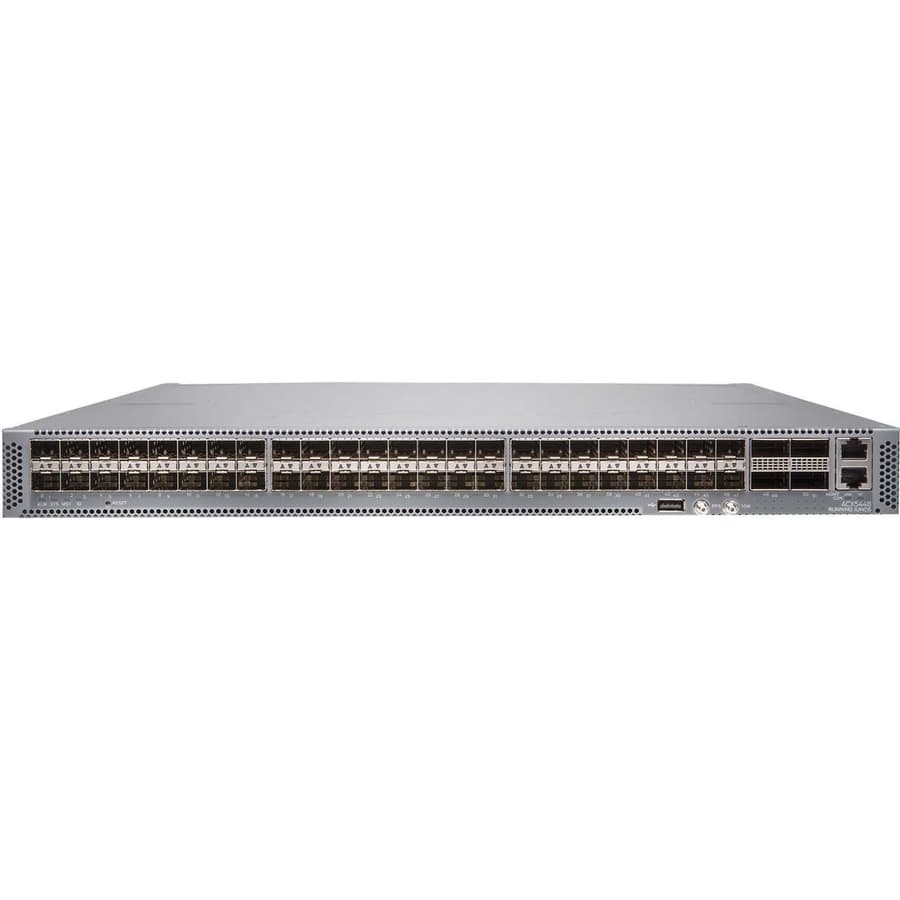
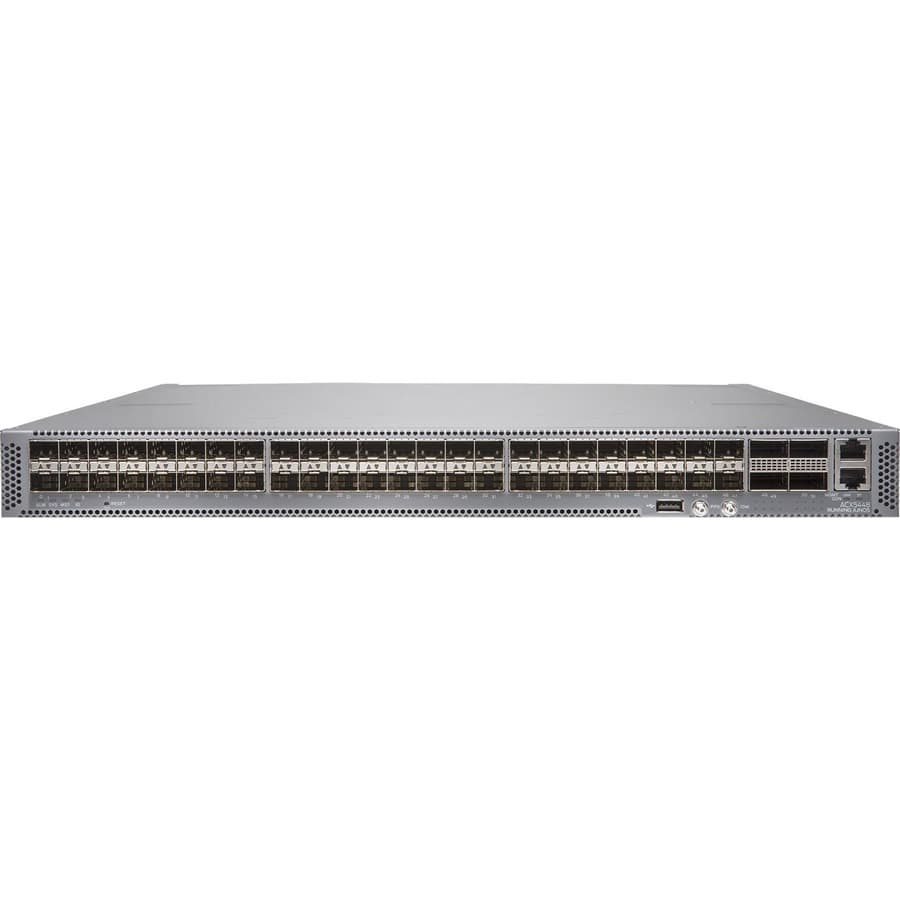
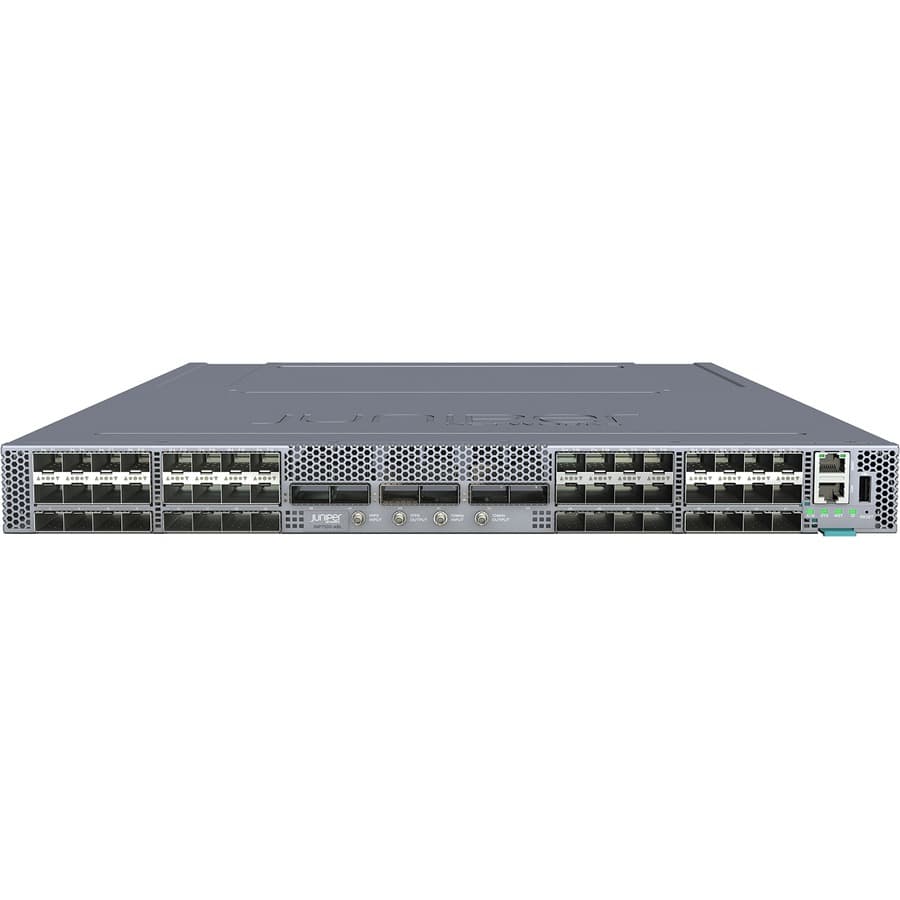
- 48 x SFP56 ports
- 6 x QSFP56-DD ports
- DC power support
- Juniper ACX7100 platform
- High-density optical aggregation design
- Carrier-grade routing architecture
- Consolidate edge aggregation with 48 SFP56 ports for high-density optical connectivity
- Scale uplink capacity using 6 QSFP56-DD ports for higher-speed backbone handoff
Move more traffic through fewer rack units with the Juniper ACX7100 DC AO 48 SFP56/6 QSFP56-DD. This platform is built for high-density aggregation, giving infrastructure teams a large mix of SFP56 access ports and QSFP56-DD uplinks for optical transport, edge handoff, and service aggregation. DC power support fits telecom and carrier environments where centralized power design and operational consistency are essential.
The port mix is the point: 48 SFP56 interfaces provide dense connectivity for access and aggregation, while 6 QSFP56-DD ports create room for higher-speed uplinks and backbone handoff. That balance helps reduce the number of chassis required as traffic grows, while preserving the optical flexibility needed in modern service-provider and enterprise edge designs.
For teams planning long service life, the ACX7100 class is about more than raw port count. It is about building a routing layer that can absorb growth without forcing a redesign of the rack, the cabling plan, or the upstream architecture. When the cost of a network change is measured in downtime and field labor, density and uplink headroom become a real advantage.
Ideal For
- Metro edge aggregation for service-provider access networks
- High-density optical handoff in carrier and telecom facilities
- Aggregation layer routing for large campus or regional edge designs
- Uplink consolidation where SFP56 access and QSFP56-DD backbone ports are both required
Why This Product
- 1Higher port density than smaller aggregation routers
- 2QSFP56-DD uplinks provide more backbone headroom
- 3DC power suits carrier and telecom environments
- 4Built for optical aggregation rather than general office routing