Juniper Networks
10G/40G/100G QSFP28
Out of Stock
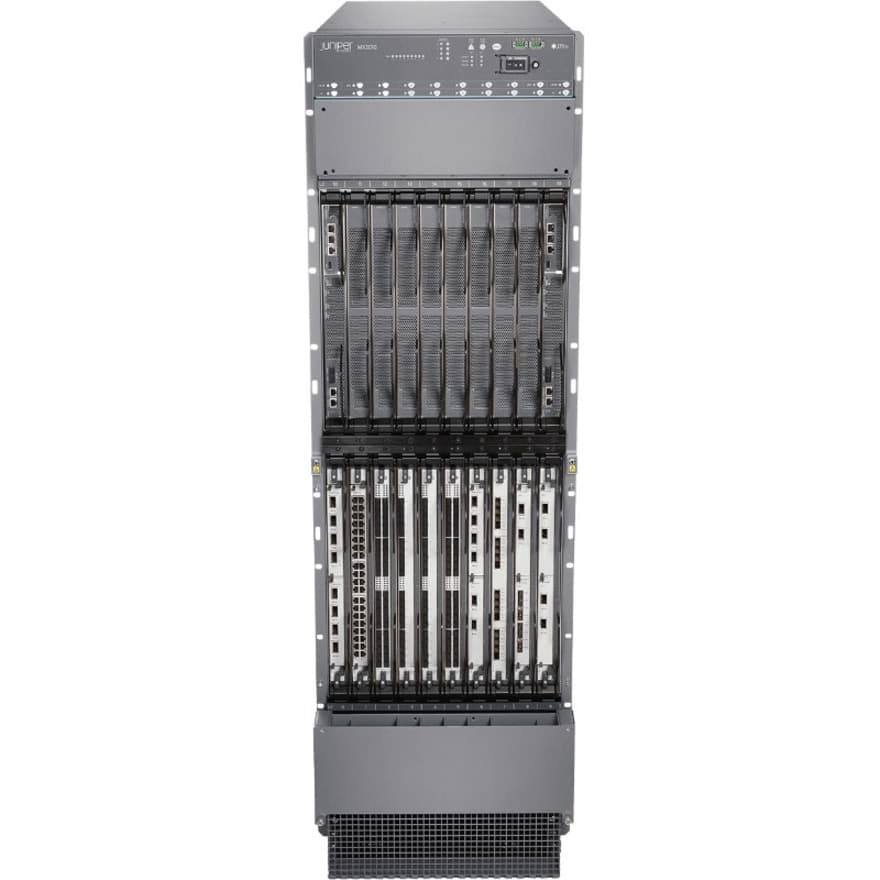
Juniper Networks MPC7E-MRATE 10G/40G/100G QSFP28 | MX Series Router
Juniper Networks
MPN: MPC7E-MRATE
$304,055.20$351,000.00
Free shipping on orders over $500
Authorized Dealer — Full manufacturer warranty
Key Features
- QSFP28 interface support
- 10G/40G/100G port speed mix
- MX-series modular line card architecture
- Juniper Networks routing platform compatibility
- High-density aggregation design
- Carrier-grade deployment profile
- Scale uplink capacity with 10G, 40G, and 100G QSFP28 interfaces
- Consolidate mixed-speed traffic using a single modular line card
Increase port density without redesigning the platform. The Juniper MPC7E-MRATE line card is built for MX-series routers that need to carry mixed 10G, 40G, and 100G traffic in the same operational footprint. That makes it a strong fit for aggregation layers, provider edge builds, and campus backbones where link speeds change over time but chassis investment must hold.
This module is designed for teams that value capacity planning over short-term savings. Instead of buying a fixed-port box that will age out as uplinks grow, you keep the MX chassis and add the interface mix you need. That approach helps protect capital spend while preserving a cleaner migration path as access and core demands rise.
For environments where service continuity matters, the modular design also simplifies maintenance and staged upgrades. You can align port mix to current demand, reduce stranded capacity, and keep the routing platform aligned with future bandwidth requirements. For organizations standardizing on Juniper MX infrastructure, this card adds the density and speed headroom needed for serious production networks.
Ideal For
- Provider edge aggregation in MX-series router deployments
- Campus core uplink expansion for mixed-speed access layers
- Data center interconnect builds requiring 40G and 100G transport
- Staged network modernization where chassis reuse is required
Why This Product
- 1Supports mixed 10G, 40G, and 100G connectivity in one module
- 2Preserves MX chassis investment instead of replacing the platform
- 3Better fit for staged bandwidth growth than fixed-port routers
- 4Built for aggregation and provider edge environments