Out of Stock
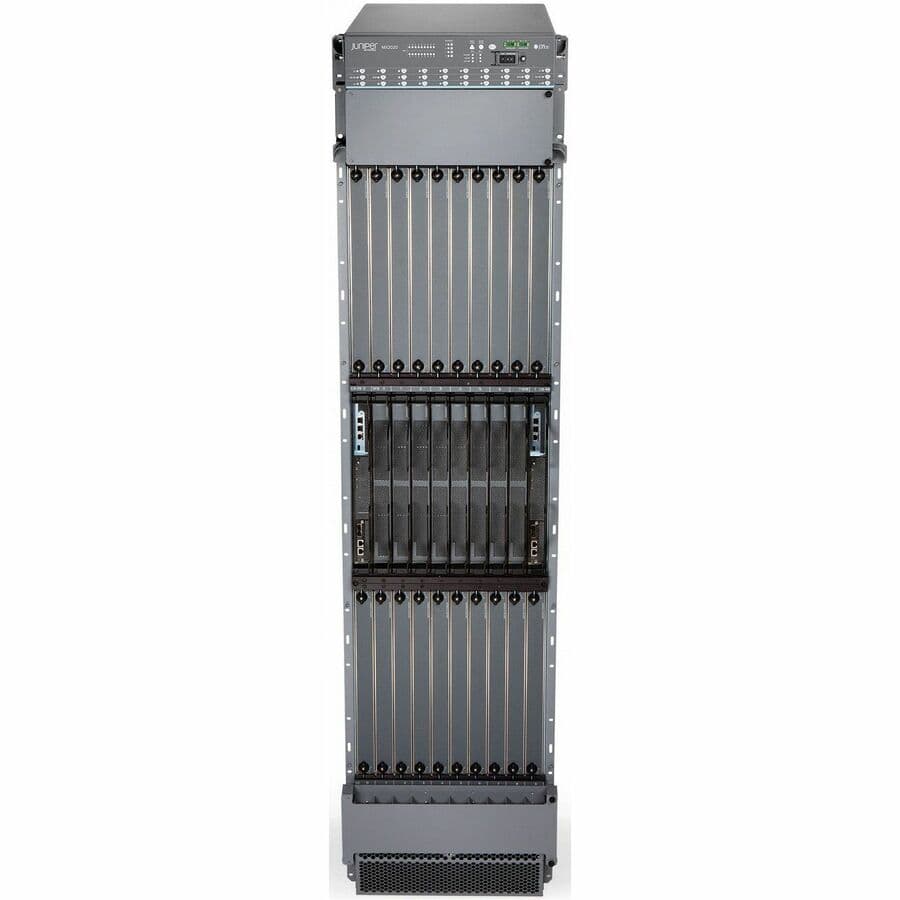
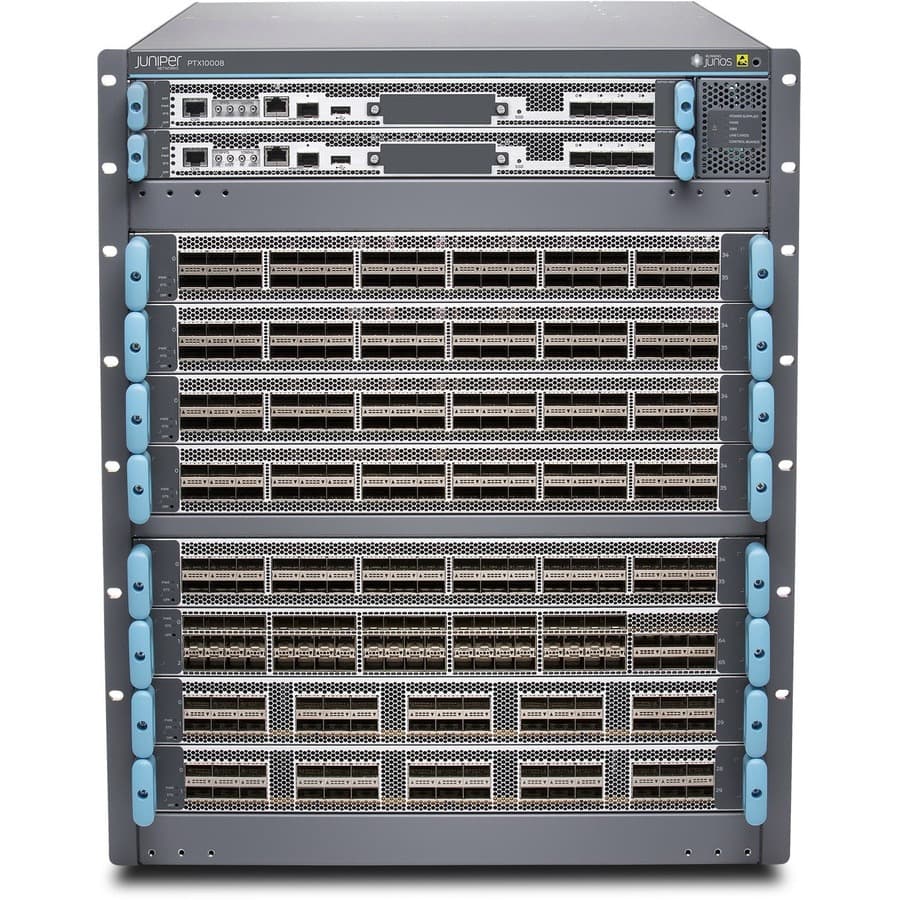
Juniper PTX10008-BASE3-SON 14.4 T LC | Carrier-Grade Router, PTX
Juniper Networks
MPN: PTX10008-BASE3-SON
Call for Price
Free shipping on orders over $500
Authorized Dealer — Full manufacturer warranty
Key Features
- Juniper PTX10008 base system
- Designed for 14.4 T LC deployments
- Carrier-grade router platform
- Chassis-based routing architecture
- High-capacity backbone foundation
- Built for service provider and enterprise core networks
- Sustain high-volume backbone traffic with 14.4 T LC platform capacity
- Anchor carrier routing architectures using the PTX10008 base system
Keep critical traffic moving through demanding backbone and aggregation layers with the Juniper PTX10008-BASE3-SON. Purpose-built for 14.4 T LC deployments, this platform is aimed at environments where routing density, predictable forwarding, and long-term network planning matter more than commodity hardware pricing.
The PTX10008 family is designed for carrier-grade operations, where the cost of congestion, downtime, or forced refresh cycles quickly exceeds the premium paid for a platform built to stay in service. It is a strong fit for service provider cores, metro aggregation, and large enterprise backbones that need a chassis-class routing foundation with room for scale.
Because this is a base system, it is intended to anchor a high-capacity routing architecture rather than serve as a short-term edge box. That makes it a practical choice when you need to standardize on a platform that can support demanding traffic patterns, operational consistency, and future expansion planning. For teams evaluating infrastructure at this level, the value is not just raw capacity — it is the confidence that the routing layer can absorb growth without becoming the next bottleneck.
Ideal For
- Service provider core routing
- Metro aggregation and backbone transport
- Large enterprise WAN core
- High-capacity network refresh projects
Why This Product
- 1Built for 14.4 T LC capacity rather than entry-level routing
- 2Chassis-class platform suited to backbone and core deployments
- 3Better fit for long-term infrastructure planning than fixed-port routers
- 4Designed for carrier environments where continuity matters