Out of Stock
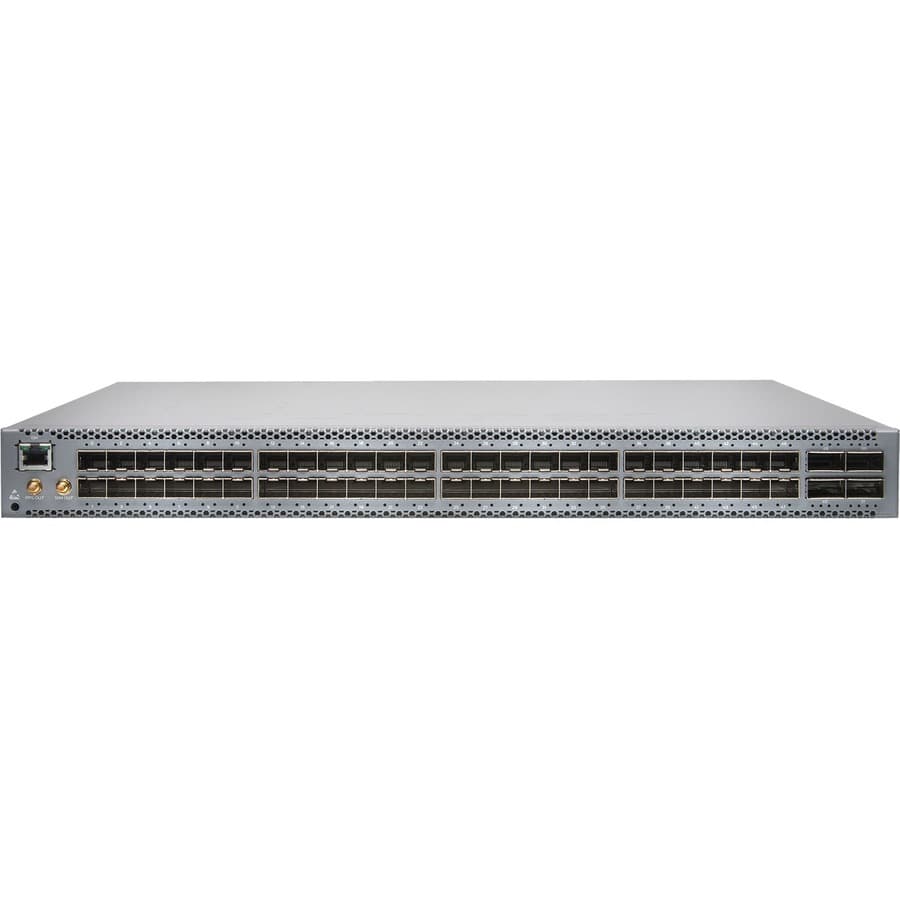
Juniper QFX5110-48S-D-AFO2 48 SFP+ 4 QSFP28 Switch | 1U Enterprise
Juniper Networks
MPN: QFX5110-48S-D-AFO2
Call for Price
Free shipping on orders over $500
Authorized Dealer — Full manufacturer warranty
Key Features
- 48 x SFP+ ports
- 4 x QSFP28 uplink ports
- Layer 3 switching
- 1U rack-mountable form factor
- 10 Gigabit Ethernet support
- Front-to-back airflow
- Manageable switch
- Juniper QFX5110 platform
Keep east-west traffic moving in compact racks with the Juniper QFX5110-48S-D-AFO2. Built for high-density switching, it combines 48 SFP+ ports with 4 QSFP28 uplinks to support aggregation, leaf-spine, and routed access designs without consuming extra rack space. The 1U rack-mountable form factor fits standard enterprise and colocation deployments where port density and predictable airflow matter.
Layer 3 support gives network teams the routing control needed at the edge of the fabric, while front-to-back DC airflow aligns with hot/cold aisle planning in modern data centers. The switch’s 10 Gigabit Ethernet foundation makes it a strong fit for server aggregation, storage traffic, and uplink consolidation where oversubscription must stay under control. With Juniper’s QFX family positioning, this model is aimed at environments that need more than basic access switching: it is designed for dense, structured networks where port count, uplink flexibility, and thermal design directly affect operational stability.
For teams standardizing on Juniper switching, the QFX5110-48S-D-AFO2 offers a clear balance of density, routing capability, and rack efficiency for demanding infrastructure builds.
Ideal For
- Leaf-spine fabric aggregation in enterprise data centers
- Server access switching for 10 Gigabit Ethernet environments
- Routed access deployment at the network edge
- High-density rack builds requiring compact 1U switching
Why This Product
- 1Higher port density than compact access switches
- 2QSFP28 uplinks support faster aggregation paths
- 3Layer 3 capability fits routed fabric designs
- 41U chassis preserves rack space in dense deployments