Out of Stock
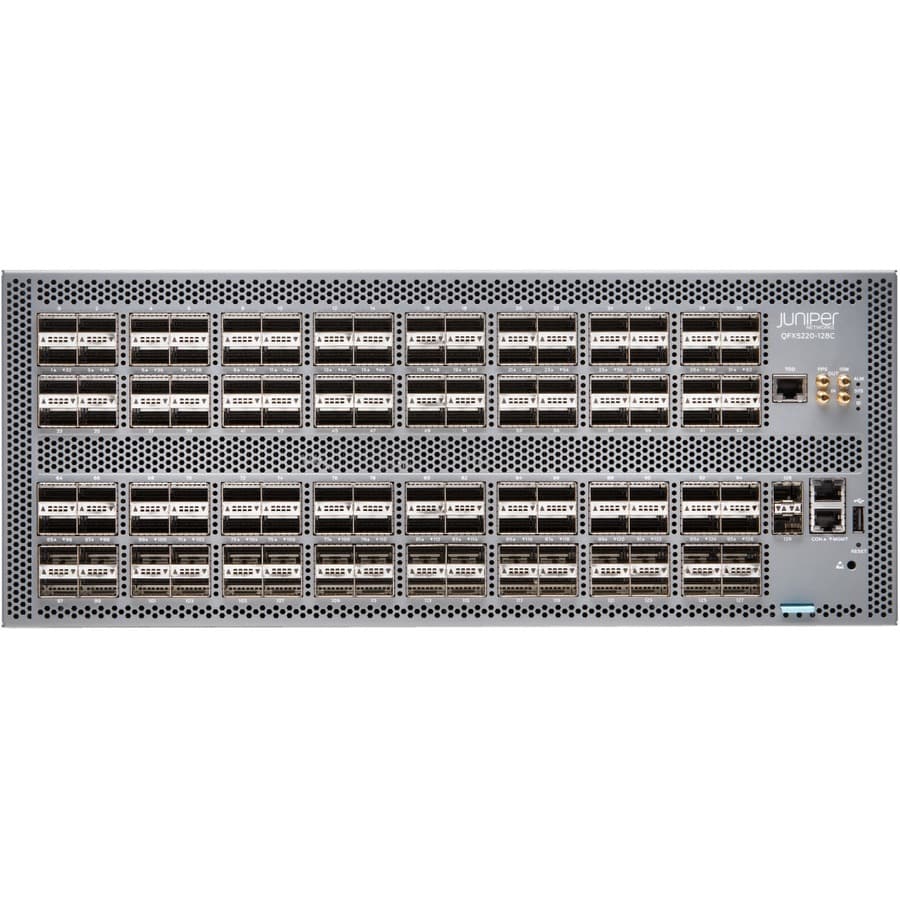
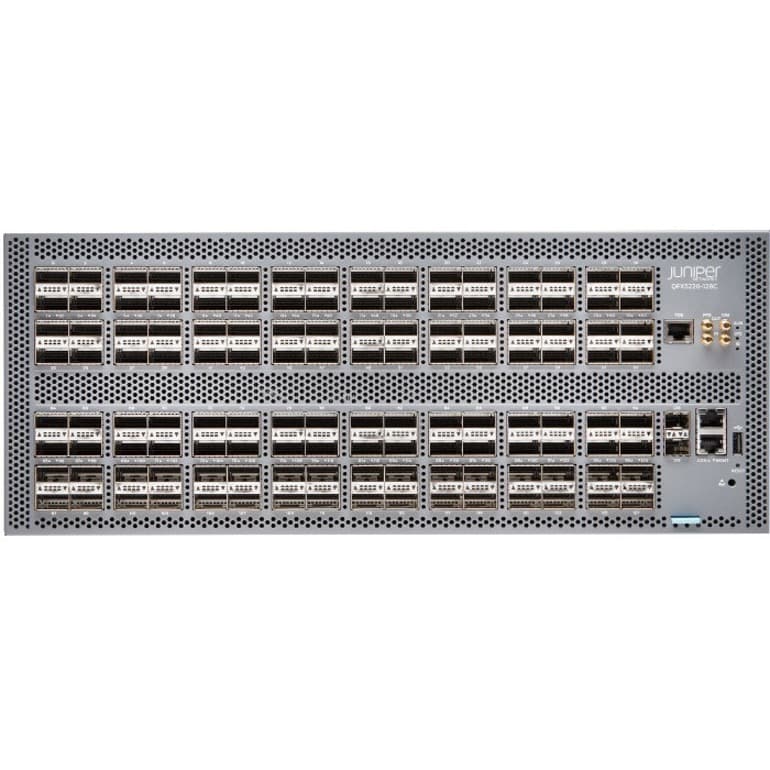
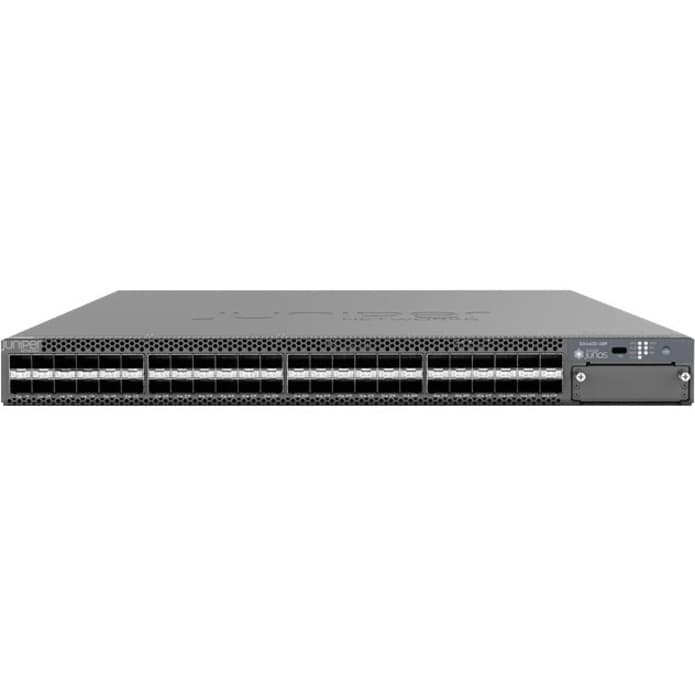
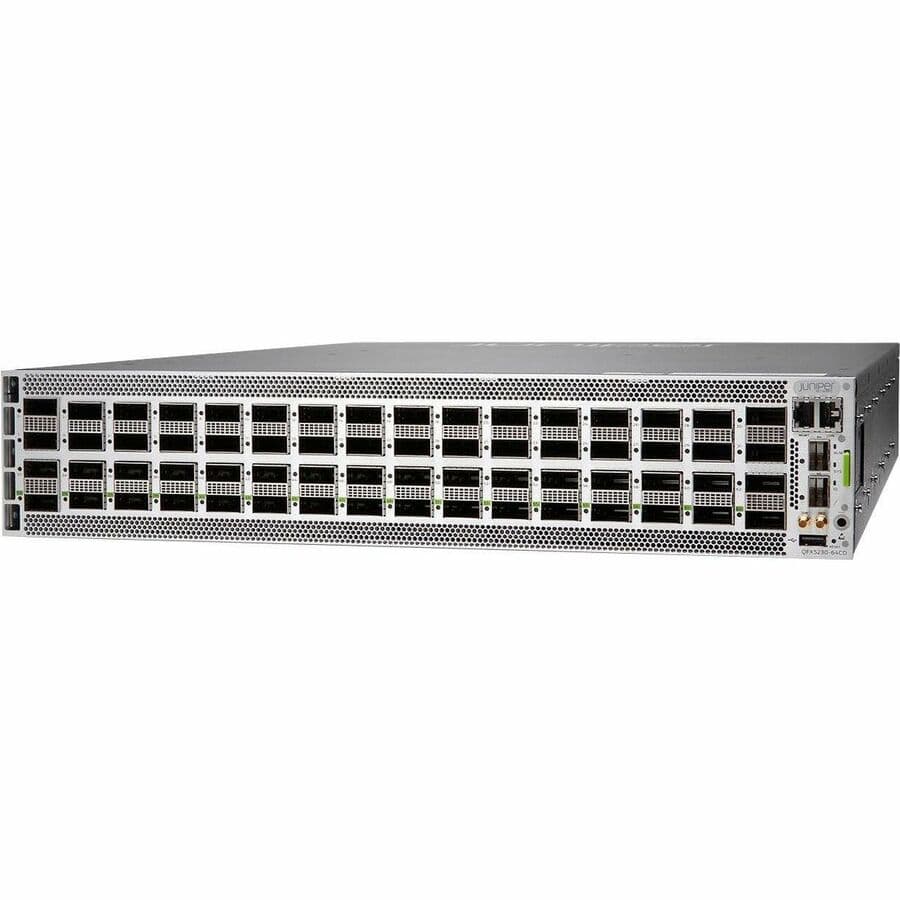
Juniper QFX5230-64CD-D-AFO 64x400G QSFP56-DD Switch | Data Center
Juniper Networks
MPN: QFX5230-64CD-D-AFO
Call for Price
Free shipping on orders over $500
Authorized Dealer — Full manufacturer warranty
Key Features
- 64 x QSFP56-DD 400G ports
- Juniper QFX5230 data center switch platform
- 400 GbE Ethernet technology
- High-density leaf-spine switching architecture
- AC front-to-back airflow design
- Built for rack-scale fabric aggregation
- Optimized for low-latency east-west traffic
- Scale fabric bandwidth with 64 x 400G QSFP56-DD ports
Build a faster fabric without adding more boxes. The Juniper QFX5230-64CD-D-AFO delivers 64 x 400G QSFP56-DD ports for high-density leaf, spine, and super-spine deployments where port count and throughput matter more than chassis size. It is built for environments that need to move large volumes of east-west traffic with fewer hops and tighter rack economics.
This model is a strong fit for operators standardizing on 400G infrastructure for AI clusters, storage-heavy workloads, and large virtualization domains. The dense port layout helps reduce oversubscription pressure while keeping cabling and rack planning more predictable. AC front-to-back airflow supports common data center cooling patterns, making it easier to align with existing thermal design.
For teams comparing against lower-density switches, the value is in consolidation: fewer devices to manage, fewer interconnects to plan, and more headroom for growth. That matters when the network is part of the application performance budget, not just the transport layer.
Ideal For
- Leaf switch for AI and HPC clusters
- Spine aggregation in large-scale data center fabrics
- High-density server connectivity for virtualization environments
- 400G backbone for storage and analytics networks
Why This Product
- 1Higher port density than 32-port 400G switches
- 2Better fit for fabric consolidation than mixed-speed edge switches
- 3More scalable for AI and HPC clusters than 100G aggregation layers
- 4Designed for dense backbone roles rather than access switching