In Stock
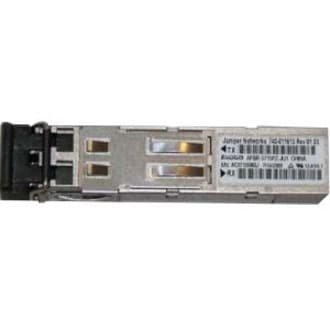
Juniper SFP-1GE-T 1 GbE Base-T SFP Module | Routing, Enterprise
Juniper Networks
MPN: SFP-1GE-T
$156.67$408.00
Free shipping on orders over $500
Authorized Dealer — Full manufacturer warranty
Key Features
- 1 GbE Base-T SFP transceiver
- 10/100/1000Base-T network technology
- RJ-45 connector type
- SFP mini-GBIC form factor
- Twisted-pair copper media support
- Juniper routing platform compatibility
- Gigabit Ethernet interface class
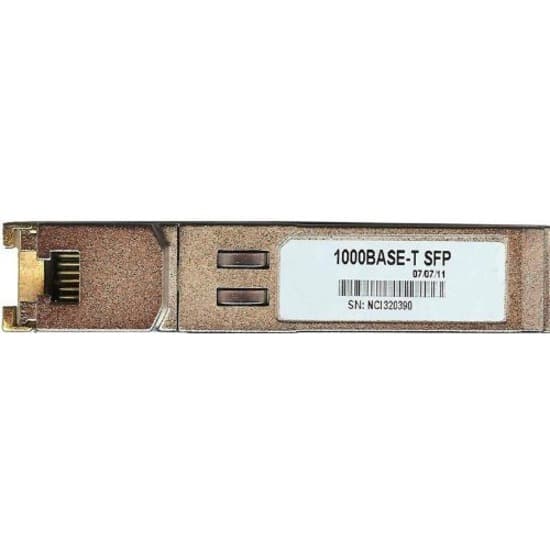
- Preserve copper uplinks using 10/100/1000Base-T Ethernet over RJ-45
Keep legacy copper links in service without changing the network design. Juniper’s SFP-1GE-T provides a 1 GbE Base-T interface in an SFP form factor, giving routing platforms a straightforward RJ-45 handoff for 10/100/1000Base-T connectivity. It is a practical choice when you need to connect switches, routers, or attached devices over twisted-pair cabling rather than fiber.
This module is well suited to environments where port flexibility matters and copper runs are already in place. Instead of overbuilding with optics you do not need, it delivers the exact interface required for short-reach Ethernet access, management, or edge aggregation. That makes it useful in mixed-media networks, branch routing deployments, and upgrade projects where preserving existing cabling reduces disruption.
For teams standardizing on Juniper routing hardware, the SFP-1GE-T offers a clean path to add or replace a copper uplink with a module designed for the platform. It is the kind of component that keeps infrastructure simple, predictable, and easier to support over time.
Ideal For
- Connecting routing equipment to copper-based access switches
- Extending Ethernet service in branch office network closets
- Replacing failed copper SFP modules in Juniper routers
- Supporting short-reach uplinks where fiber is unnecessary
Why This Product
- 1Uses copper RJ-45 instead of fiber for short-reach links
- 2Supports 10/100/1000Base-T for mixed-speed environments
- 3Fits SFP bays for simple replacement and expansion
- 4Targets routing deployments rather than generic desktop networking